
目前对于陷入困境但仍具备重整价值及重整可行性的企业而言,破产重整是其实现风险出清和企业重生的重要方式。在破产重整中,投资人参与的主要方式包括股权投资、资产投资和债权投资等,其中股权投资为较为重要的投资方式(其基本流程如下图),本文将结合实践,从投资人视角,浅析破产重整中股权投资的机遇和风险防范,以期为投资人参与重整投资提供帮助。
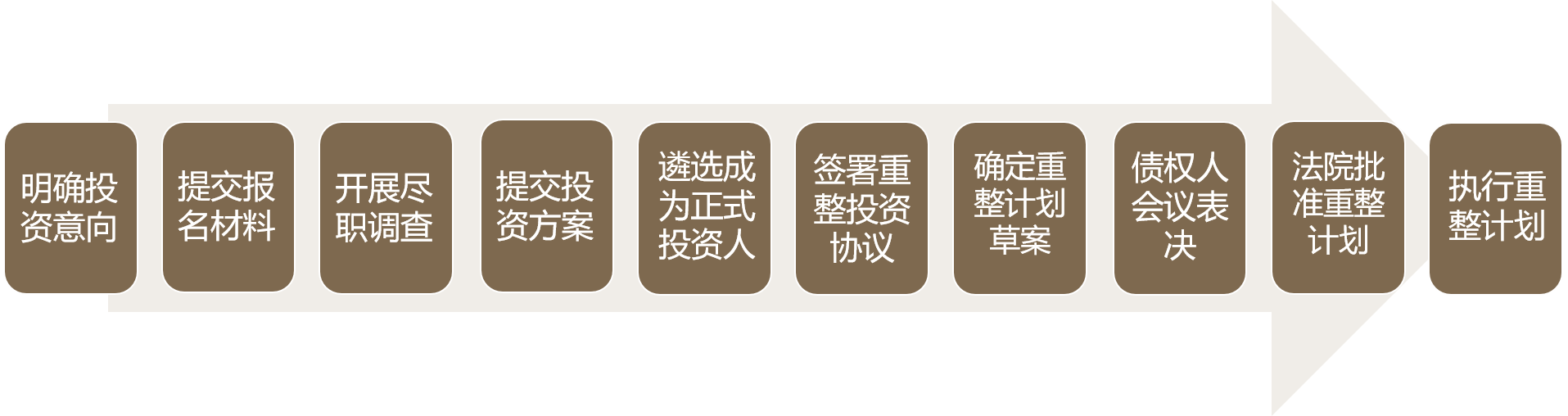
图1:破产重整中股权投资基本流程图
一、重整投资的机遇
现阶段,重整投资作为“新一轮招商引资”处于重要机遇期。以上市公司重整为例,2023年7月底的数据显示其中超90%的产业投资人和财务投资人账面呈现浮盈[1];2024年以来,截至11月,有44家上市公司被申请重整及预重整,较前一年同期增加超四成[2]。由此可见,破产重整蕴含着较多投资机会,其在目前政策环境、价值发掘、成本控制和业务整合等方面均展现出投资“机遇”。
The opinion is Samson v. The LCF Group, Inc. (In re Bridger Steele, Inc.), Adv. No. 2:24-ap-2003 in the Montana Bankruptcy Court (decided September 30, 2024; Doc. 10).
Background
Debtor is a fabricator and seller of metal roofing and siding products.
The common law of assignments for benefit of creditors (“ABC”) has been around for centuries.
ABC is a business debtor’s voluntary liquidation tool—typically utilized in cooperation with a major secured creditor.
Historically, ABCs are attractive to debtors and creditors alike as an efficient, mostly out-of-court tool for maximizing the liquidation value of a business—for the benefit of creditors.
Does a Chapter 7 debtor have appellate standing to protect the homestead exemption?
That’s an issue addressed (sort of) in Karamoussayan v Massachusetts Department of Revenue (In re Karamoussayan), Case No. 22-041, First Circuit Bankruptcy Appellate Panel (decided April 11, 2024).
Chronology
Here’s a chronology.
September 9, 2022 — Debtor files a voluntary Chapter 13 petition
A new Seventh Circuit Court of Appeals opinion[fn. 1] involves the motion of a federal inmate, who was also a Chapter 7 bankruptcy debtor, for compassionate-release under 18 U.S. § 3582(c)(1)(A). The new Seventh Circuit opinion denies the motion.
Notably, the bankruptcy Debtor/Inmate is serving a 30-year sentence for making false statements during a bankruptcy proceeding The bankruptcy statute is 18 U.S.C. § 152, which declares it is a crime when a person:
Question: What happens when a Chapter 7 debtor:
- fails to disclose the existence of claims against third parties;
- receives a Chapter 7 discharge and a closing of the Chapter 7 case;
- then, pursues the undisclosed claims by filing a lawsuit against the third parties; and
- the defendants in that lawsuit move to dismiss debtor’s claim for non-disclosure in the Chapter 7 bankruptcy?
That actually happened—and a U.S. District Court refused to dismiss the debtor’s lawsuit on summary judgment:
I’m serving on a Drafting Committee of the Uniform Law Commission for a uniform law on assignment for benefit of creditors (“ABC”). A draft of such a uniform law is coming together, with lots of input from many people and organizations. But we are always looking for more input. So, if you’d like to participate in the drafting process, let me know.
I’m serving on a Drafting Committee of the Uniform Law Commission for a uniform law on assignment for benefit of creditors (“ABC”). A draft of such a uniform law is coming together, with lots of input from many people and organizations. And we are always looking for more input!
“A discharge under section 727, 1141, 1192 [Subchapter V], 1228(a), 1228(b), or 1328(b) of this title does not dischargean individual debtor from any debt— . . .”
11 U.S.C. § 523(a) (emphasis added).
Bankruptcy courts applying the foregoing language in the early days of Subchapter V found such language to be clear and unambiguous: that only “an individual debtor” is affected.
A new, bipartisan bankruptcy bill in the U.S. Senate purports, according to an official document, to: