
Under § 547(b) of the Bankruptcy Code (emphasis added):
- “the trustee may, based on reasonable due diligence in the circumstances of the case and taking into account a party’s known or reasonably knowable affirmative defenses under subsection (c), avoid [a preferential transfer.”
Question: What amount of detail is required in a preference complaint to satisfy the above-quoted “reasonable due diligence” requirement?
Here’s a judicial estoppel hypothetical:
- debtor files Subchapter V bankruptcy and achieves a confirmed plan;
- in the bankruptcy debtor fails to disclose a pre-petition lawsuit claim;
- after plan confirmation, debtor files suit on the pre-petition lawsuit claim; and
- defendant seeks dismissal of the lawsuit, with prejudice, on grounds of judicial estoppel—i.e., for debtor/plaintiff’s failure to disclose the claim in bankruptcy.
Question: Who should be the ultimate beneficiary of a lawsuit claim that debtor fails to disclose:
A Petition for Writ of Certiorari has been granted by the U.S. Supreme Court in Keathley v. Buddy Ayers Construction, Inc., Case No. 25-6, on a ruling from the U.S. Fifth Circuit Court of Appeals.[Fn. 1]
The Question Presented in Kethley v. Buddy Ayers is this:
11 U.S.C. § 365(c)(2) says (emphasis added):
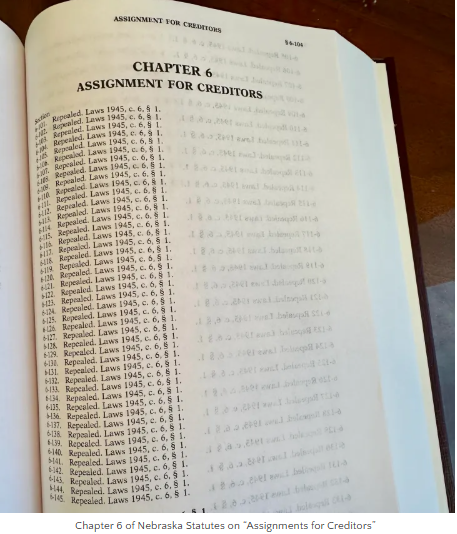
Here’s a question about the new Uniform Assignment for Benefit of Creditors Act (the “Uniform ABC Act”):
- Is a liquidation under the Uniform ABC Act a good thing or a bad thing for the debtor’s unsecured trade creditors?
The answer is easy: it’s a good thing.
28 U.S.C. § 157(b)(5) provides: “personal injury tort and wrongful death claims shall be tried in the district court in which the bankruptcy case is pending, or in the district court in the district in which the claim arose”
In other words, “personal injury tort” and “wrongful death” claims cannot be tried by a bankruptcy court.
Mass torts and resulting litigation are a reality of life in these United States.
But one of the truly shocking things about mass tort litigation, in recent times, is this:
- judicial delays override the wishes of mass tort victims for prompt payment of negotiated amounts.
A current example of such delays is the Boy Scouts confirmed bankruptcy plan.
Chronology
Here is a short Chronology of the Boy Scouts bankruptcy plan—and the lapse of more than three years since confirmation without a final resolution:
The Uniform Law Commission (“ULC”) is the same organization that brought us the Uniform Commercial Code, the Uniform Trust Code, and other “Uniform” state laws.
The ULC is now offering a Uniform Assignment for Benefit of Creditors Act (the “Uniform ABC Act”).
The new Uniform ABC Act codifies the common law of ABCs. Such common law has its foundation in the law of trusts: i.e., debtor is the trustor, assignee is the trustee, and debtor’s creditors are the beneficiaries.
When state legislatures consider a legislative bill, it’s important that they hear from stakeholders who would be affected by that bill.
Important ABC Stakeholders
When faced with a legislative bill on assignment for benefit of creditors (“ABC”), its important that legislatures hear from a variety of stakeholders, including this important group: